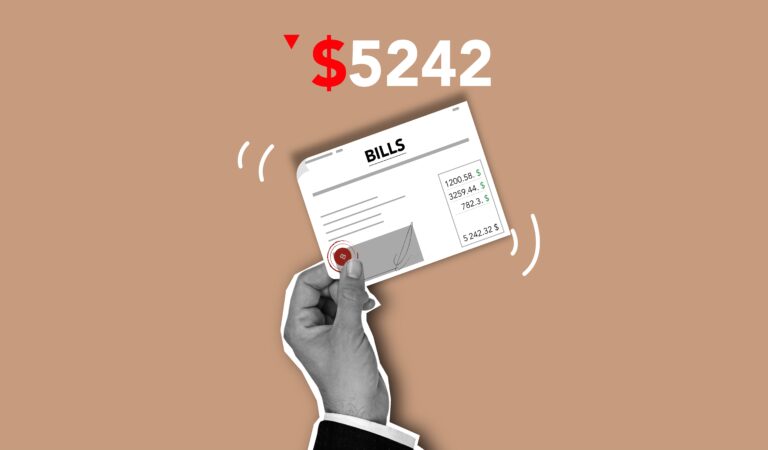
A student received a call. The caller knew her full name, her date of birth, her address, and the last few digits of her I-94 number. He said he was from USCIS, that there was an error in her immigration record, and that a criminal case was pending against her. He said he could fix it — but only if she wired money immediately.
She panicked. She sent $1,600 before realizing it was a scam.
This is not a hypothetical warning. This happened to a real international student, and the case is documented by a university’s own international student office as a specific example of the precision these scams now use. The caller had real personal information, used official-sounding language, and created exactly the kind of fear that overrides clear thinking — the fear of deportation, of a criminal record, of losing your ability to stay in the US.
International students are targeted specifically and deliberately, not randomly. This guide explains exactly how the most common scams work, why they are so effective against students new to the US, and the specific signs that should make you hang up immediately.
Why International Students Are the Preferred Target

Scammers target international students for reasons that have nothing to do with bad luck and everything to do with strategy.
You are unfamiliar with how US government agencies actually communicate, which makes a fake call or email feel more plausible than it would to someone who grew up here. You are far from family who could offer a second opinion in the moment of panic. Your visa status creates genuine, specific vulnerabilities — the fear of deportation is real and immediate in a way that no equivalent fear exists for a US citizen. And many students arrive with savings or family-funded accounts holding more cash than the typical American student, making the financial upside larger for the scammer.
The FBI Seattle Field Office specifically warned about phone scams targeting Chinese international students, with several students losing tens of thousands of dollars to callers posing as officials from Chinese consulates or US immigration agencies. This is not a fringe problem — it is significant enough to draw direct FBI attention to a single nationality of student.
Scam 1: The Fake Government Official Call
This is the most dangerous and most common scam, and it comes in several variations that all follow the same structure.
Scammers aggressively target international students with fake calls, emails, and letters that appear to come from USCIS, DHS, IRS, SSA, and even local law enforcement. They call from numbers that look official and may even display «USCIS» or «IRS» on your caller ID. They demand urgent payment for a «visa violation,» «unpaid taxes,» or a Social Security number issue. They sometimes pretend to be police or federal officers, occasionally using fake badge numbers. And they threaten severe consequences — frozen bank accounts, arrest, or deportation — if you do not comply immediately.
A specific and currently active version of this scam involves the AR-11 form. Students report receiving calls from a number displaying as USCIS, telling them they have not completed the AR-11 Change of Address form. The scammers then threaten immediate deportation unless the student provides personal information — including photos of immigration documents, contact details, and bank account information. The scammer often follows up with a fraudulent email that appears to come from USCIS, threatening visa cancellation.
The single fact that exposes every version of this scam: government agencies do not operate this way. The IRS first contacts people by mail, not by phone, about unpaid taxes. The IRS does not request payment using a prepaid debit card or wire transfer, and does not ask for a credit card number over the phone. Government officials in the US do not make threatening calls, urgently demand money, or request payment via gift cards under any circumstances.
If a call demands immediate payment to avoid arrest or deportation, it is a scam. There is no exception to this rule.
Scam 2: The Foreign Consulate Impersonation
A variation specifically targeting students from certain countries involves callers claiming to be from your home country’s consulate or embassy, rather than a US agency. Callers claim the student is linked to serious crimes back home and demand money for fines or to stop an investigation.
The structure is identical to the USCIS version — urgency, fear, an authority figure, immediate payment demanded — but the caller’s claimed identity matches the student’s specific home country, making it feel more personally credible.
The response is the same regardless of which authority the caller claims to represent: hang up. No legitimate consulate, embassy, or government agency anywhere conducts business this way over an unsolicited phone call.
Scam 3: The Pay-to-Win Scholarship Scam
Scholarship agents approach students promising to secure a large scholarship if the student pays money upfront. Legitimate scholarships, awarded by genuine institutions on the basis of academic merit, never chase students asking for advance payment. Be wary of any scholarship agent who promises to secure large sums of funding in exchange for an upfront fee.
This scam works specifically on incoming and prospective international students who are still navigating an unfamiliar application process and may not yet have a clear sense of how legitimate scholarship and financial aid processes actually work in the US. A real scholarship pays you. It never asks you to pay first.
Scam 4: The Fake Bank Loan Agent
A related version targets students seeking financing for tuition. So-called «bank agents» promise to secure loans for unsuspecting students, often requesting an upfront processing fee or personal banking details to «set up» the loan. Legitimate lenders — including the student-specific lenders covered elsewhere on this site — never require payment before approving a loan application.
Scam 5: The Overpayment and Fake Check Scam
Someone sends you a check and asks you to send a portion of it back to them. This is always a scam. The mechanics work like this: you receive a check for more than an agreed amount — for a rental deposit, a freelance job, selling something secondhand — and the sender asks you to deposit it and wire back the difference.
Even if your bank deposits the check and the funds initially appear available, it can take weeks for the bank to discover the check is fraudulent. By that point, you will be held responsible for the full amount you already wired back, even though the original check bounces.
This scam is particularly dangerous because the money appears in your account first, creating a false sense of security before the fraud is discovered weeks later.
Scam 6: The Fake «Free Credit Score» Site
Scammers set up fake «free credit score» websites designed to steal personal and financial information. This scam specifically exploits the fact that international students are actively searching for legitimate ways to check their credit score for the first time, as covered in our guide on checking your credit score for free, and may not yet know which sites are genuinely trustworthy.
Only check your credit score through the verified tools covered in that guide — AnnualCreditReport.com, your bank or card issuer’s official app, or directly through Experian, Equifax, or Credit Karma’s official sites. Never enter your SSN, ITIN, or banking details on a site you found through a generic search ad rather than a verified official source.
Scam 7: The Rental Deposit Scam
Students seeking off-campus housing are sometimes targeted with fake listings requiring upfront payment for properties that do not exist. This typically happens through housing websites or social media groups, where a «landlord» — often claiming to be traveling or unavailable to show the property in person — asks for a security deposit wired before any in-person viewing.
Never wire money for a rental deposit without physically inspecting the property or video-calling a verified, in-person visit conducted by someone you trust. Legitimate landlords accommodate a viewing before requesting payment.
The 5 Warning Signs That Apply to Every Scam on This List
Across all seven scams above, the same warning signs repeat. Memorizing these five patterns protects you regardless of which specific version you encounter.
Urgency that demands immediate action. Every scam on this list creates pressure to act within minutes — before you have time to think, verify, or call someone for a second opinion. Legitimate institutions virtually never require an immediate, same-call decision.
A request for payment via wire transfer, gift cards, or cryptocurrency. No legitimate government agency, bank, or institution requests payment through these specific methods. This combination is one of the clearest signals of fraud across every scam category.
Threats involving your immigration status. Deportation, visa cancellation, and arrest threats are specifically chosen because they target the single greatest fear most international students carry. Government officials in the US or abroad will never make threatening calls or urgently demand money under threat of these consequences.
Caller ID that appears official. Scammers can spoof caller ID to display the name of a real agency like USCIS, even though the actual call originates elsewhere entirely. A legitimate-looking phone number proves nothing about who is actually calling.
A request for information the caller should already have. Real government agencies that need to verify your identity do so through secure, established channels — not by asking you to read your Social Security number or bank account details aloud over an unsolicited phone call.
What to Do If You Receive a Suspicious Call or Email
Do not engage. Hang up, ignore the email, and do not click on any links. Do not provide any personal or financial information — government agencies already have your details on file and do not need you to confirm them over an unsolicited call.
If you are unsure whether a message is genuinely real, contact your university’s international student office before taking any action. This is the single most useful resource available to you in this situation — international student offices field these reports constantly and can confirm within minutes whether a similar scam has been reported by other students recently.
Where to Report a Scam
Report fraud to the Federal Trade Commission and to your university’s international office so they can warn other students of the specific tactic being used. For immigration-specific fraud, USCIS maintains a dedicated Fraud Tip Form, and Homeland Security Investigations operates a tip line for related criminal activity.
Reporting matters beyond your own situation. University international offices regularly send broadcast warnings to their student population the moment a new scam pattern is identified — your report can be the one that protects the next student who receives the same call.
The One Rule That Covers Every Scam in This Article
If a call, email, or message demands immediate payment under threat of arrest, deportation, or legal action — it is a scam. Hang up, do not click, do not respond, and verify independently through your university’s international office or by calling the agency directly using a number you find yourself, never one provided by the caller.
This article is for informational purposes only and is based on patterns and cases documented by university international student offices, the FBI, and USCIS. If you believe you have been a victim of fraud, report it immediately to the Federal Trade Commission at reportfraud.ftc.gov and to your university’s international student office.
Acerca del autor